



Doctoral studies / Explore Us
The Faculty of electrical engineering and information technology, University of Žilina is a dynamic center of science, research, and innovation. Our activities cover a wide spectrum of application fields, including electrical engineering, information and communication technologies, photonics, energy systems, intelligent transport, and modern digital technologies.
Faculty research groups collaborate with top-ranked universities, leading research institutions, and industrial partners in Slovakia and abroad, contributing to both fundamental discoveries and practical daily-life applications. Faculty emphasis is placed on interdisciplinary approaches, international mobility, and the transfer of knowledge into industry and society.
Through state-of-the-art laboratories, competitive grant projects, and strong involvement of doctoral and master’s students, Faculty of electrical engineering and information technology, University of Žilina continuously strengthens its role as a driver of technological progress and innovation.
The Faculty of Electrical Engineering and Information Technology, University of Žilina, conducts research that is fully aligned with European research priorities such as Digital Transformation, Green Deal, or Carbon Neutrality, among others, as well as Digital and the Research and Innovation Strategy for Smart Specialization of the Slovak Republic (SK RIS3 2021+).
Our long-term activities build on strong expertise in advanced materials, photonics, information and communication technologies, energy systems, intelligent transport, biomedical engineering, and digital technologies. These domains reflect both the evolving needs of society and industry, as well as our commitment to addressing global challenges in sustainability, digitalization, and smart mobility. Through international collaborations, modern infrastructure, and active engagement in European frameworks, the faculty ensures that its scientific work contributes to innovation, competitiveness, and societal progress.
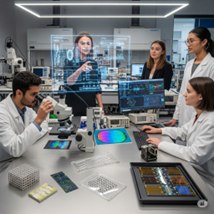
We develop next-generation semiconductor platforms and advanced materials for faster, smaller, and more efficient electronics and photonics, enabling breakthroughs in communication, sensing, and quantum technologies.
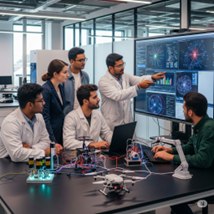
Our research combines artificial intelligence and Internet of Things solutions to create intelligent, data-driven systems for smart cities, Industry 4.0, healthcare, and autonomous mobility, transforming the way devices and people interact.

We design sustainable and resilient energy and transport solutions through smart grids, renewable integration, and e-mobility, driving the global transition toward green infrastructure.

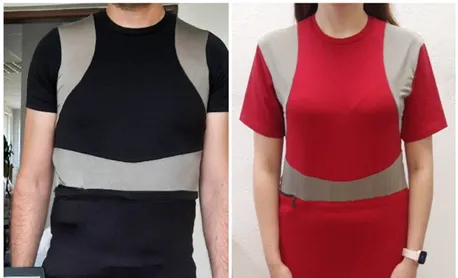
By merging engineering with life sciences, we develop advanced biomedical devices, wearable technologies, and hybrid sensors that improve diagnostics, personalized healthcare, and quality of life.

Our work secures the digital future through advanced cybersecurity, blockchain, and secure communication systems, ensuring trusted digital services and protecting critical infrastructures.
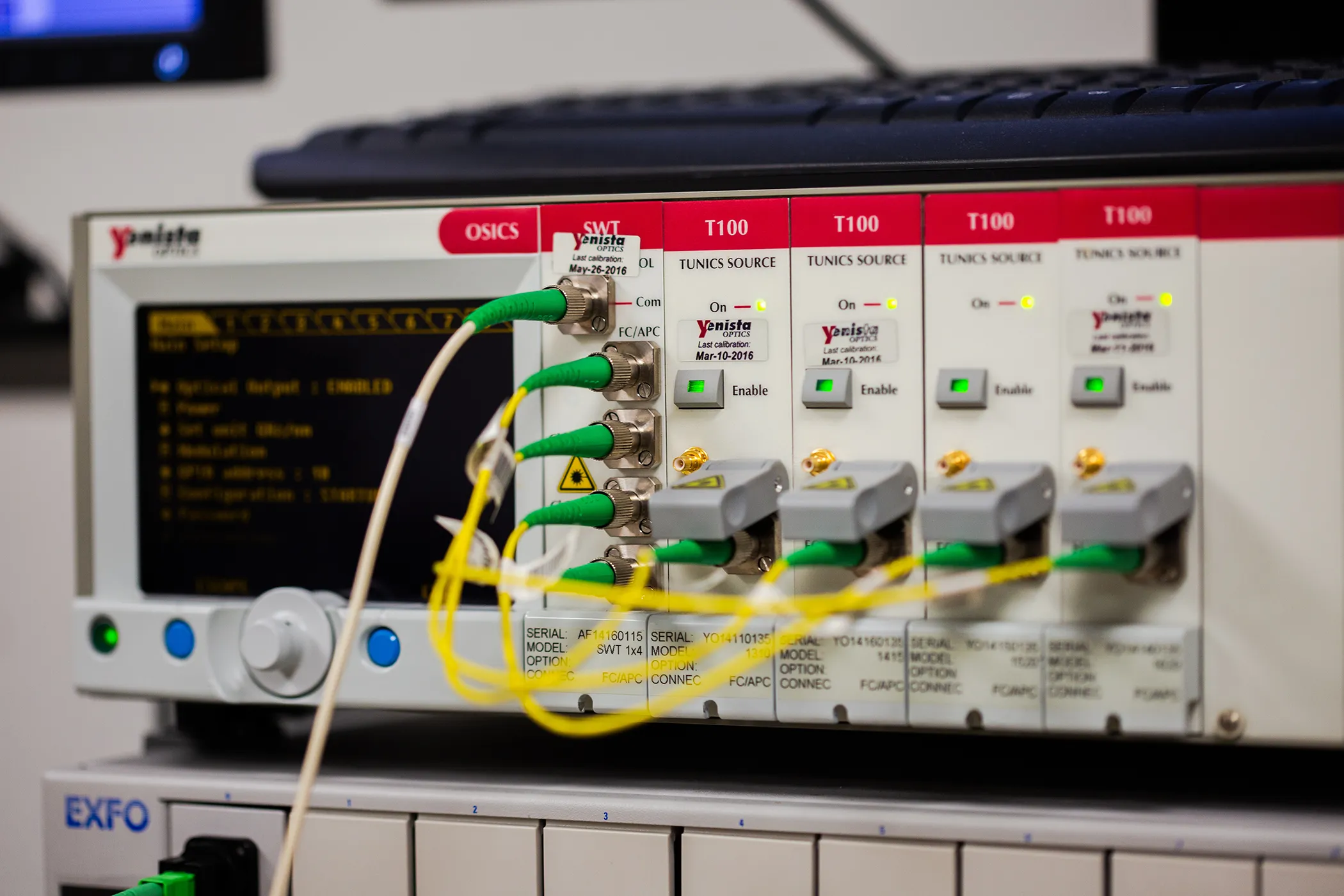
The Laboratory of Integrated Photonics and Optical Communications (INPHOCOM) focuses on education, research and development of advanced photonic technologies for next-generation optical systems. The laboratory’s activities span the design, simulation, layout preparation, and experimental characterization of photonic integrated circuits, with emphasis on silicon-compatible platforms such as silicon nitride and silicon-on-insulator. Key research areas include optical coupling interfaces, integrated waveguides, passive and hybrid photonic devices, and high-speed optical communication systems. The laboratory also addresses automated optical measurements, system-level validation, and reliability testing, linking fundamental photonic research with practical applications in communications, sensing, and emerging quantum technologies.
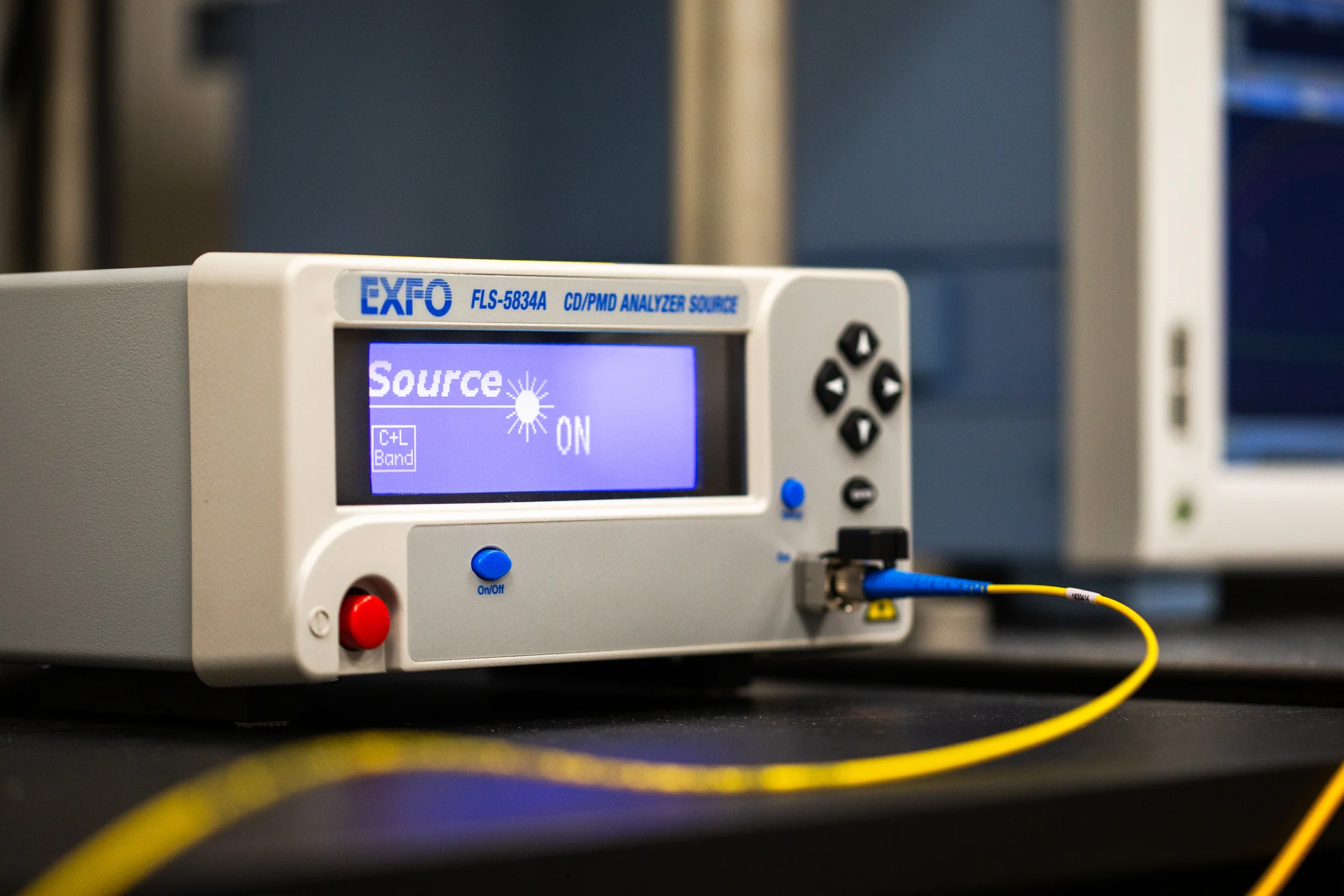
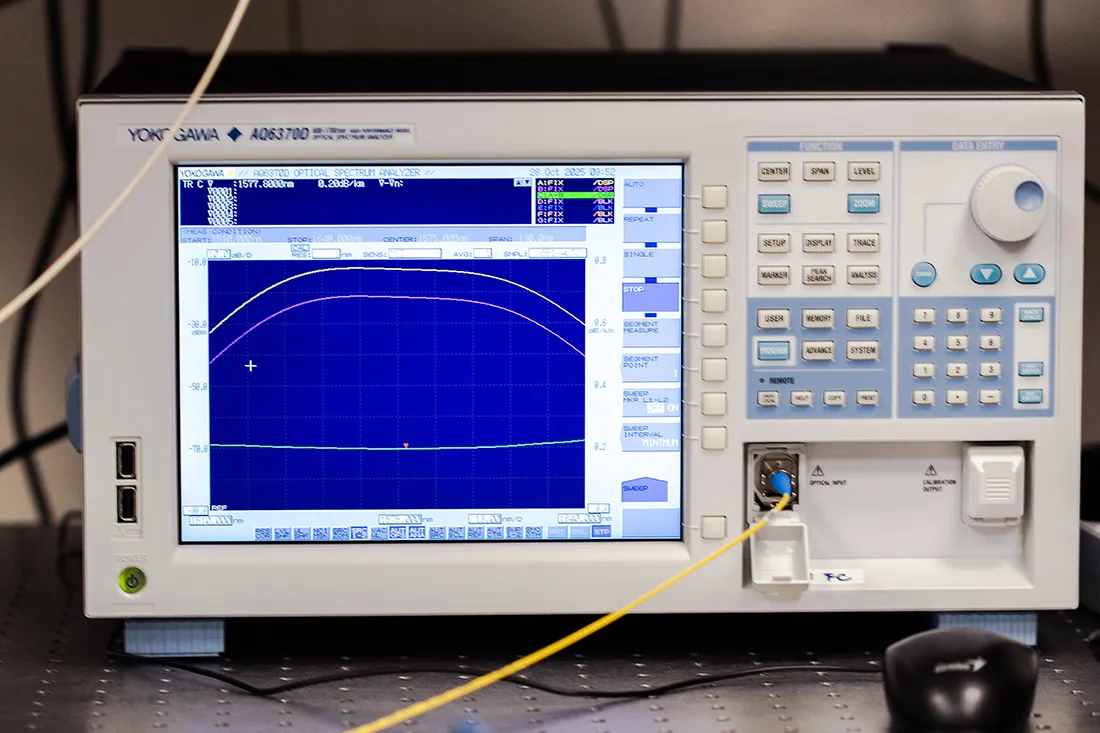
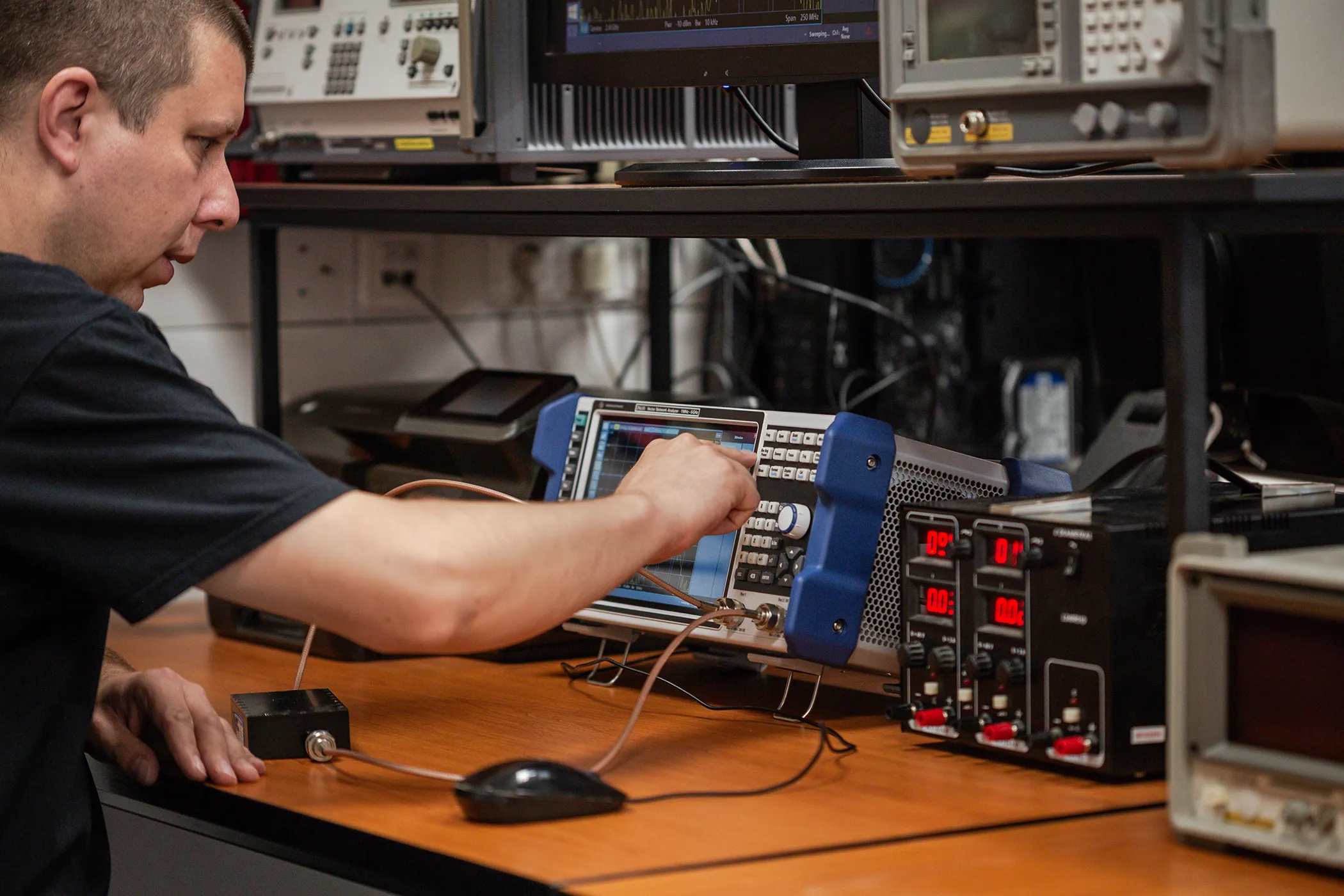
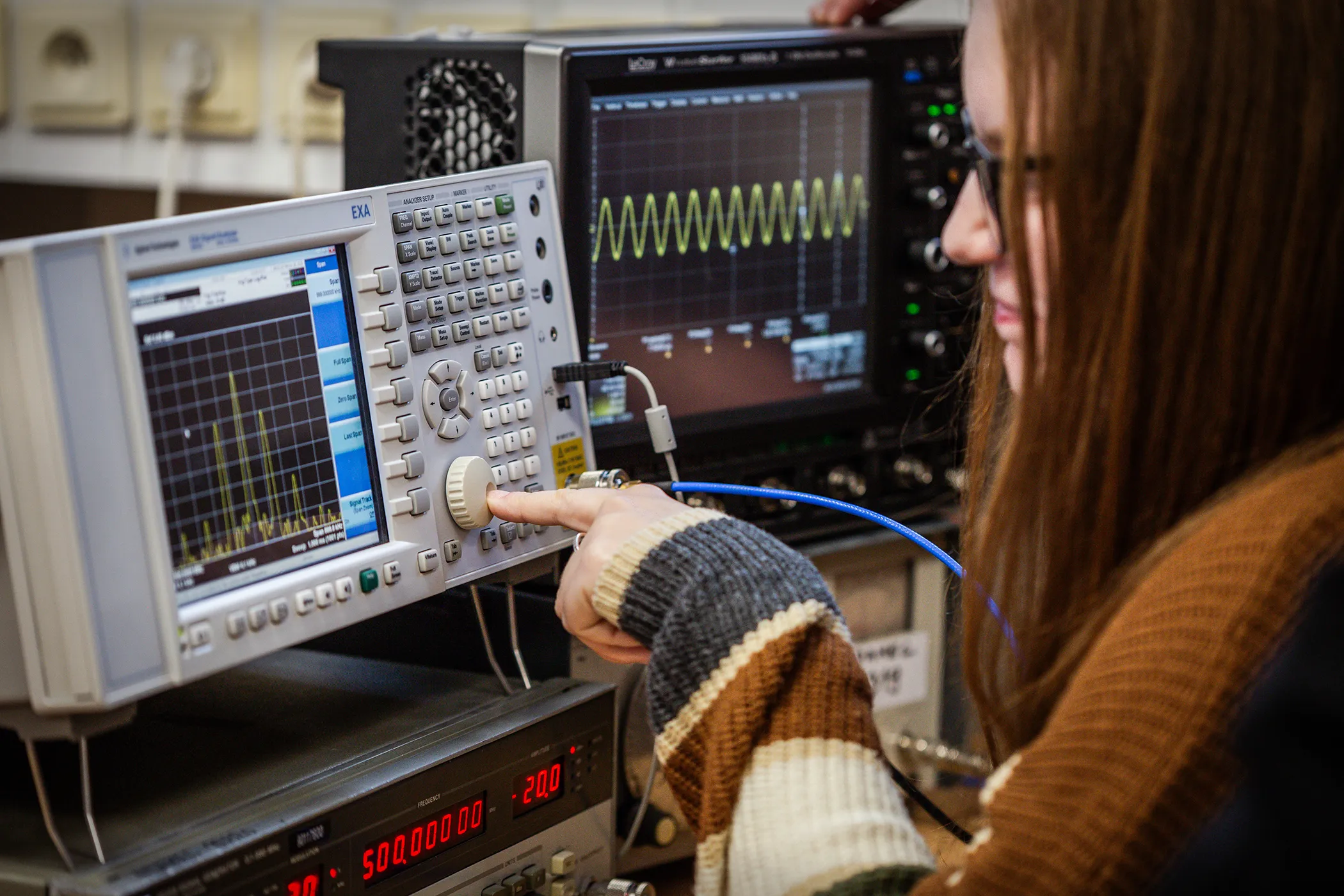
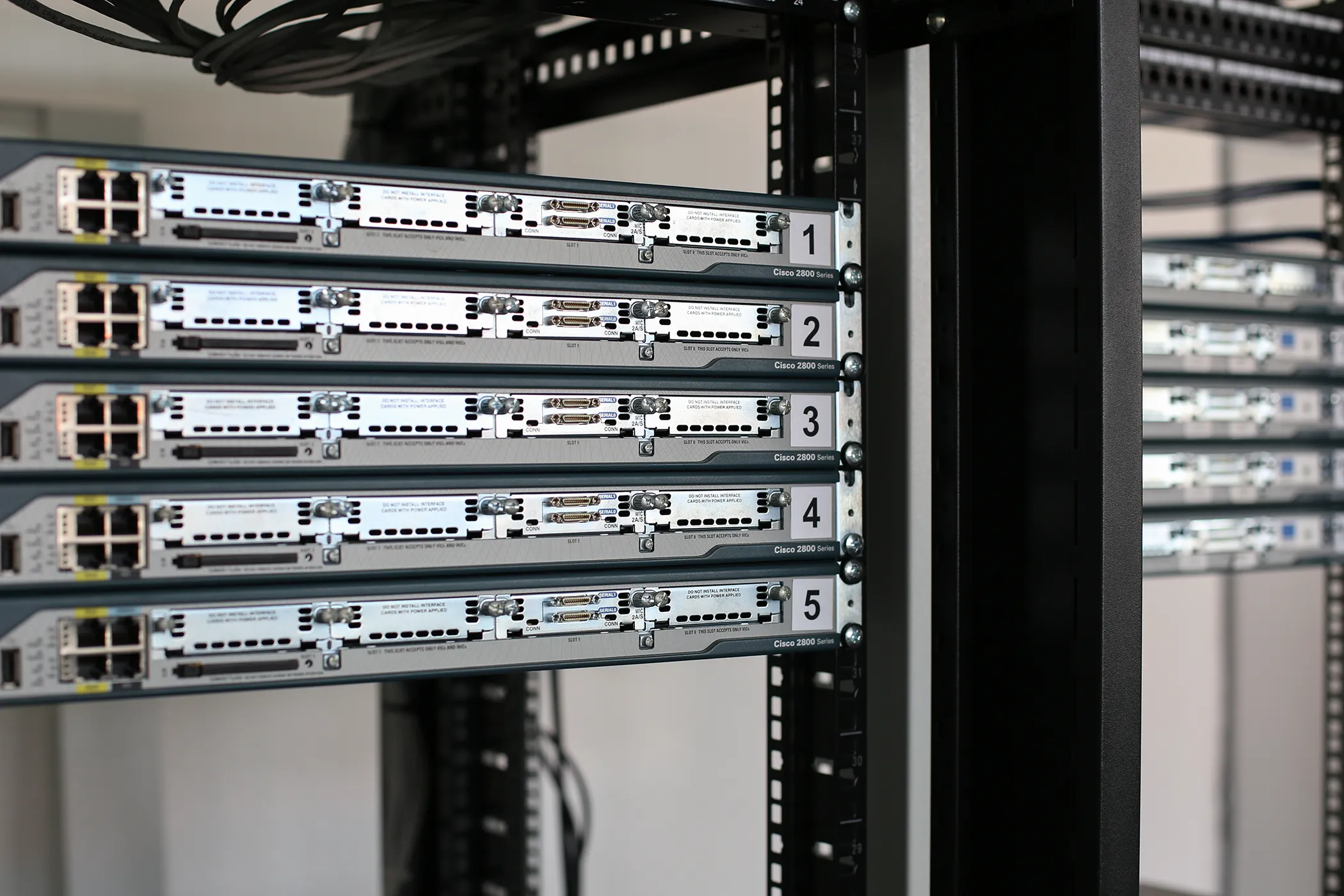
The Laboratory of Wireless Communications and Networking is dedicated to research and education in modern wireless communication systems and networking technologies. The laboratory’s activities focus on the analysis, design, and validation of wireless transmission techniques, radio access networks, and next-generation communication protocols, including 5G/6G systems and CISCO systems. Emphasis is placed on signal processing, network optimization, and intelligent communication systems to support data-intensive and low-latency applications.
The Laboratory of Image Processing and Artificial Intelligence focuses on research and development of advanced methods for visual data analysis, machine learning, and intelligent systems. The laboratory’s activities include image and video processing, computer vision, pattern recognition, and the application of artificial intelligence and deep learning to real-world problems. Emphasis is placed on data-driven approaches for automation, decision support, and multimodal information processing, with applications spanning intelligent monitoring, biomedical imaging, industrial inspection, and smart systems.
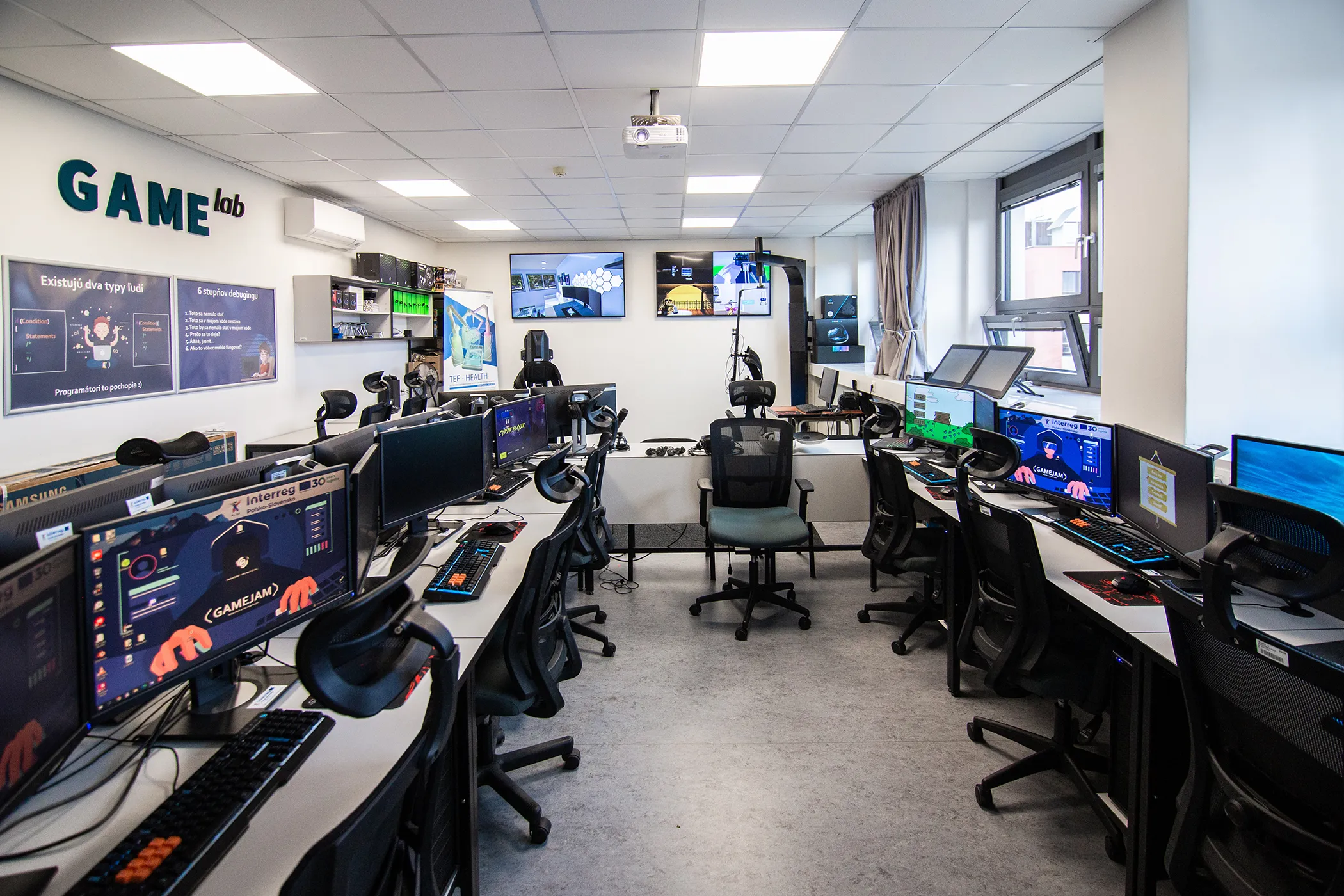
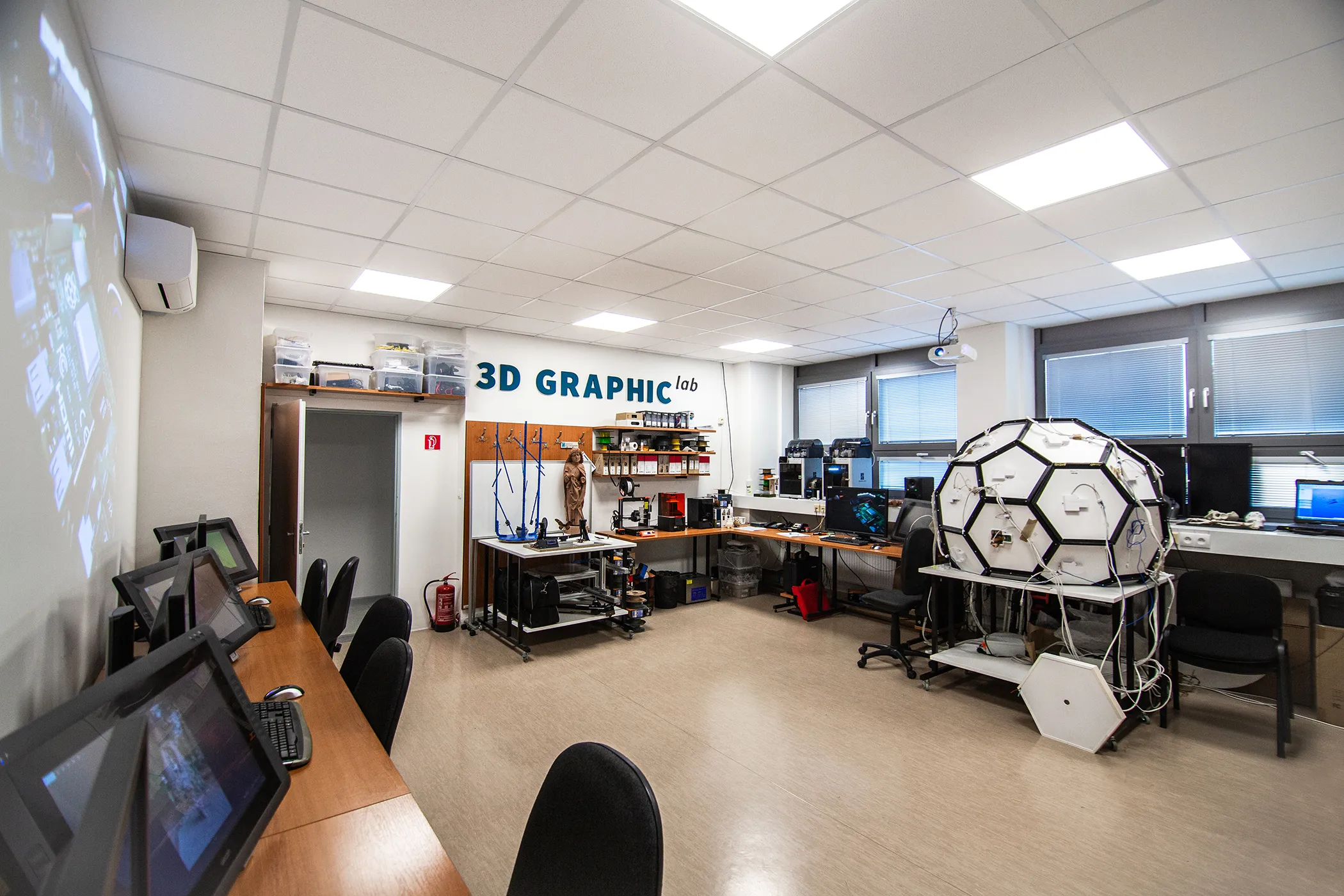
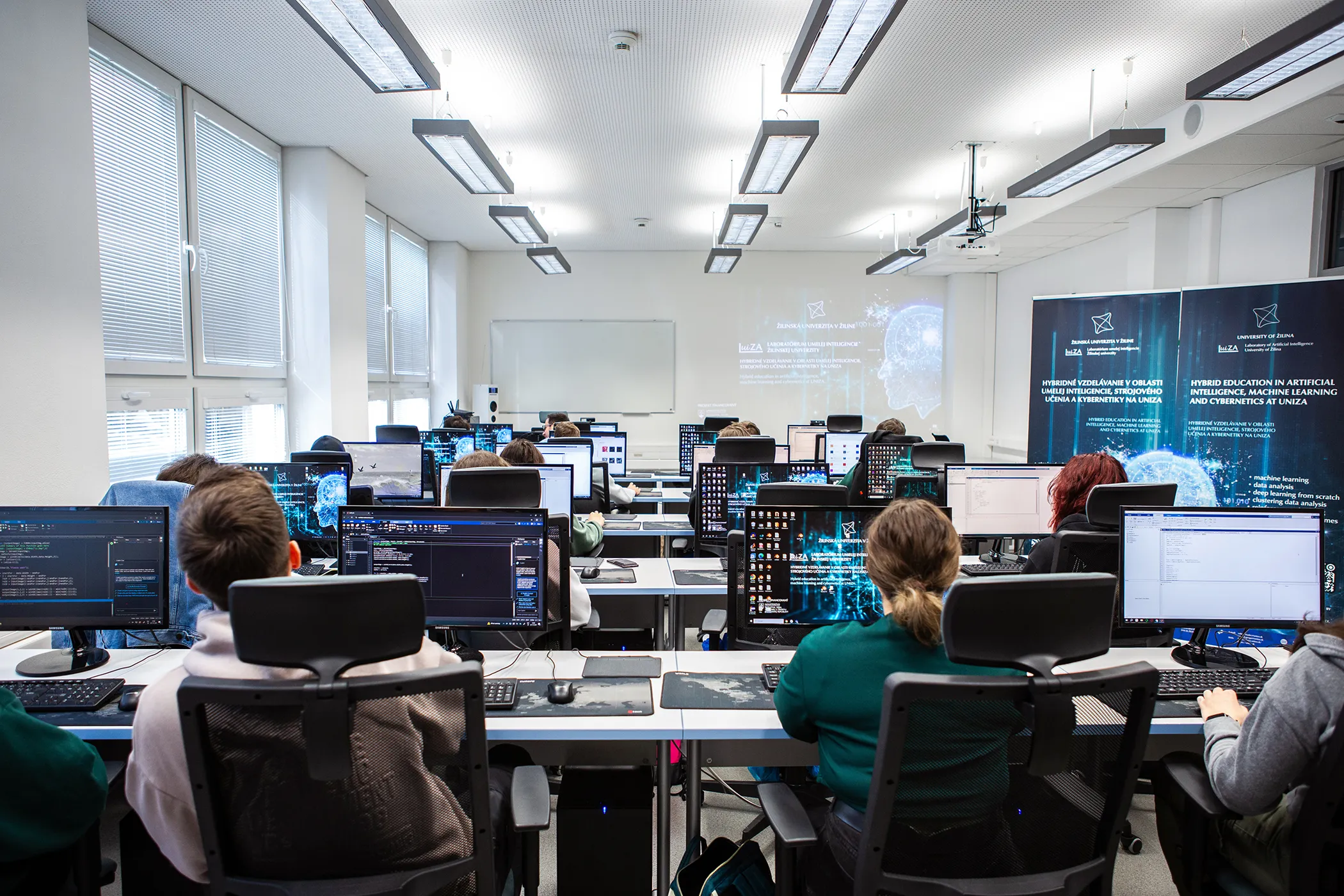
The Laboratory of Biomedical Engineering is dedicated to research and development at the interface of engineering, medicine, and life sciences. The laboratory’s activities focus on the design and analysis of biomedical sensors, diagnostic systems, and signal processing methods for monitoring physiological processes. Key research areas include biomedical instrumentation, biosignal acquisition and analysis, medical imaging, and the application of advanced data processing and artificial intelligence in healthcare and biomedical technologies.
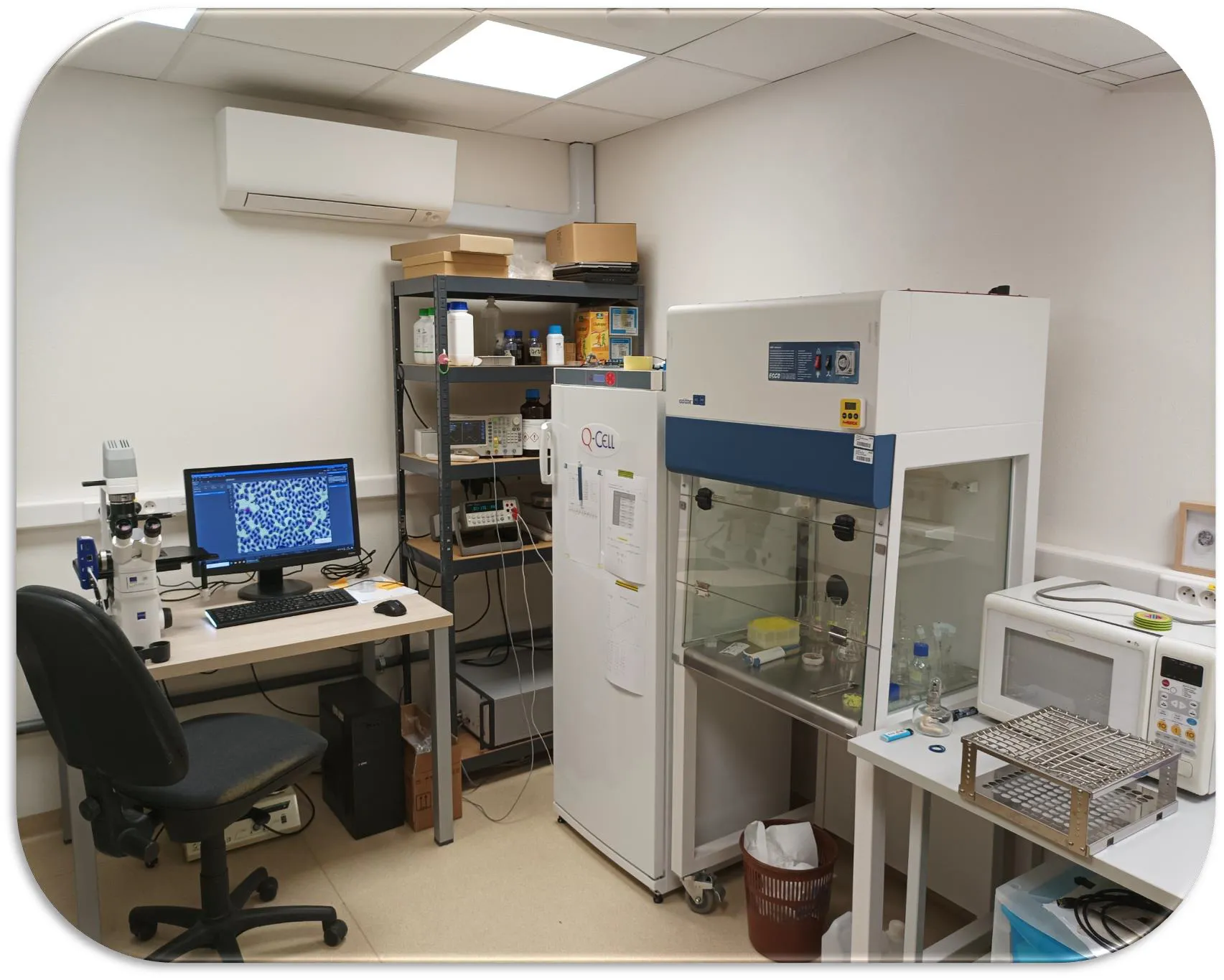
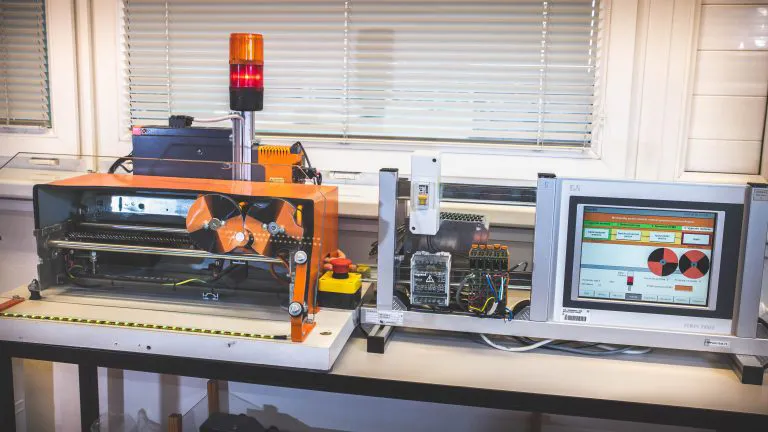
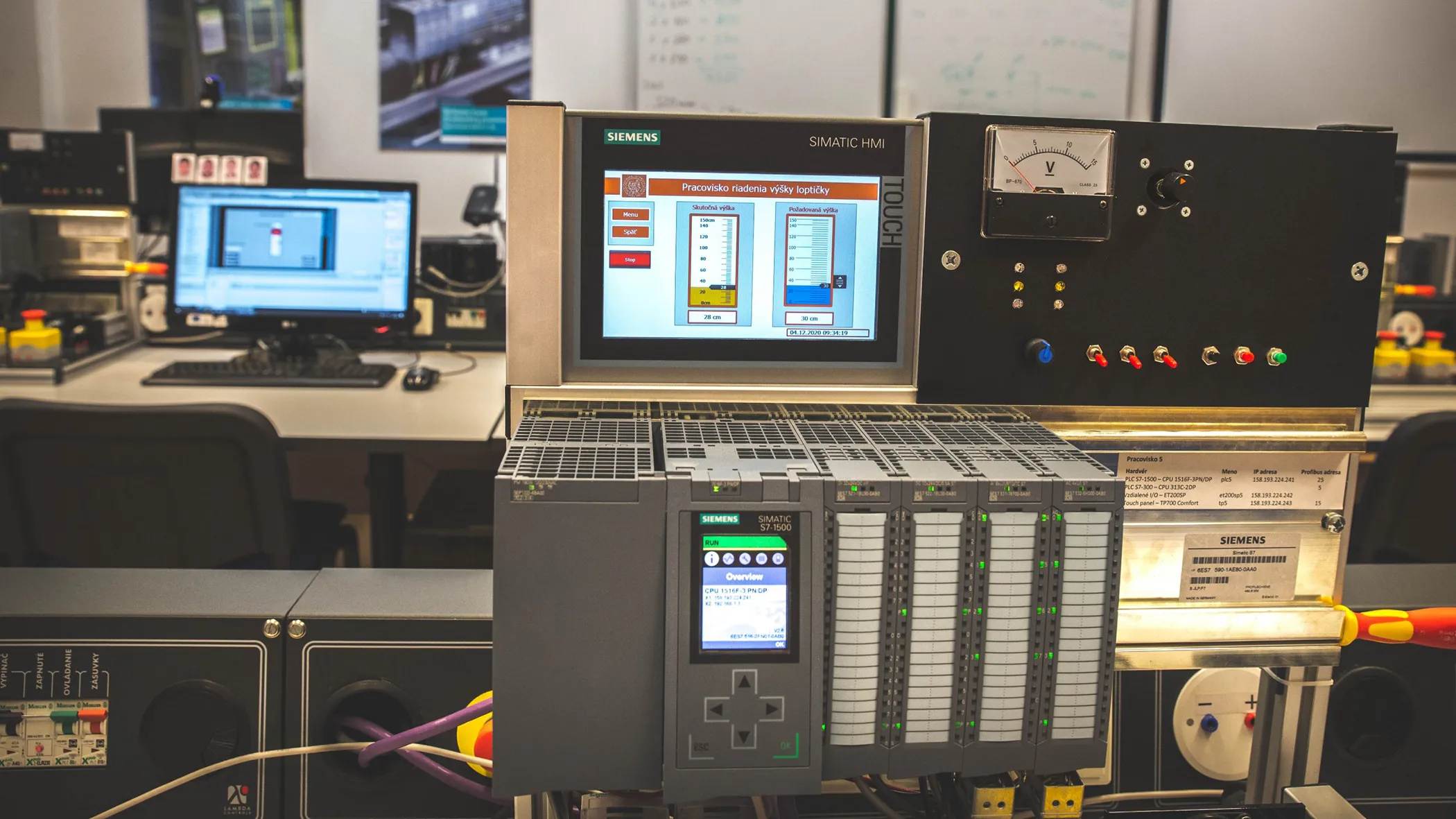
The Laboratory of Industrial Process Control focuses on research and experimental development in system identification, control algorithm design, and implementation of control strategies for industrial and transport processes. The laboratory supports modeling, simulation, and real-time control using modern industrial automation technologies, including PLCs and safety PLCs, industrial networks, sensors, actuators, and visualization systems. A key education, teaching research areas are the development of intelligent transport and traffic control systems, particularly communication subsystems for infrastructure-to-driver, vehicle-to-vehicle, and vehicle-to-infrastructure interaction. Activities also include research on road tunnel control and monitoring systems. The laboratory provides a platform for experimental work of doctoral and advanced undergraduate students, linking theoretical control methods with practical industrial and transport applications.

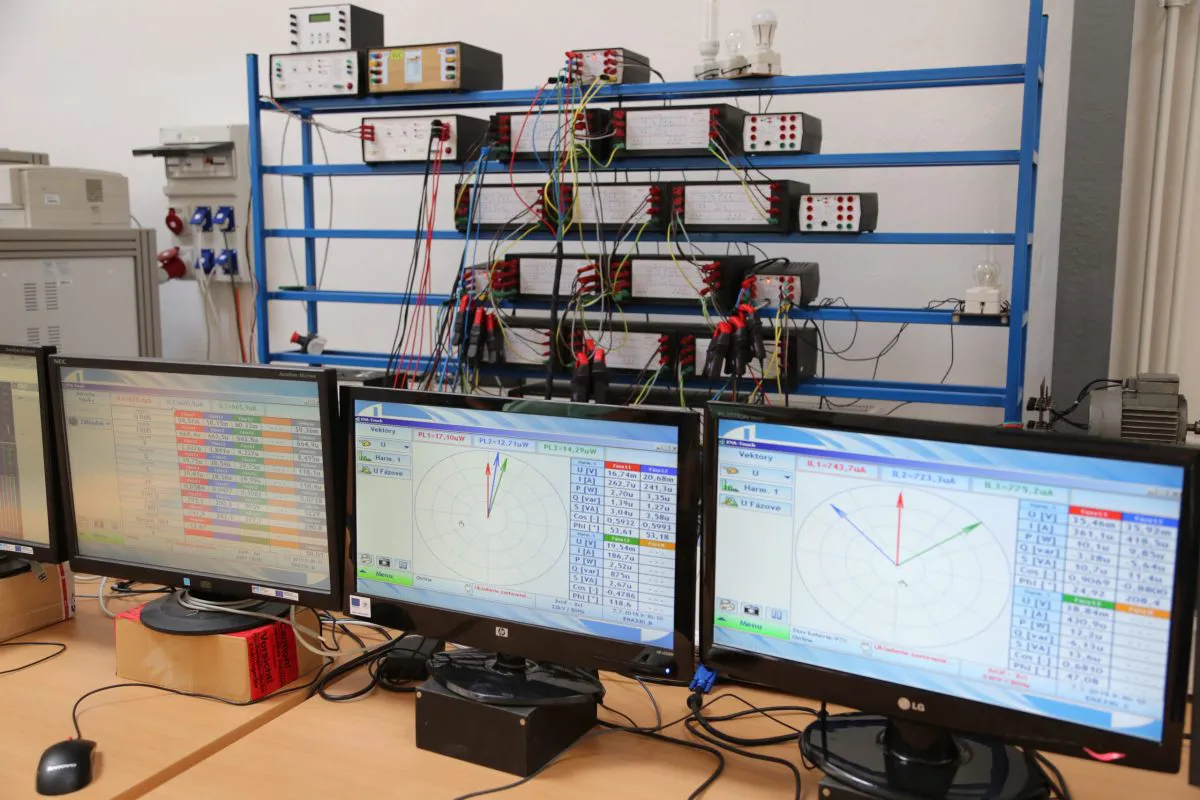
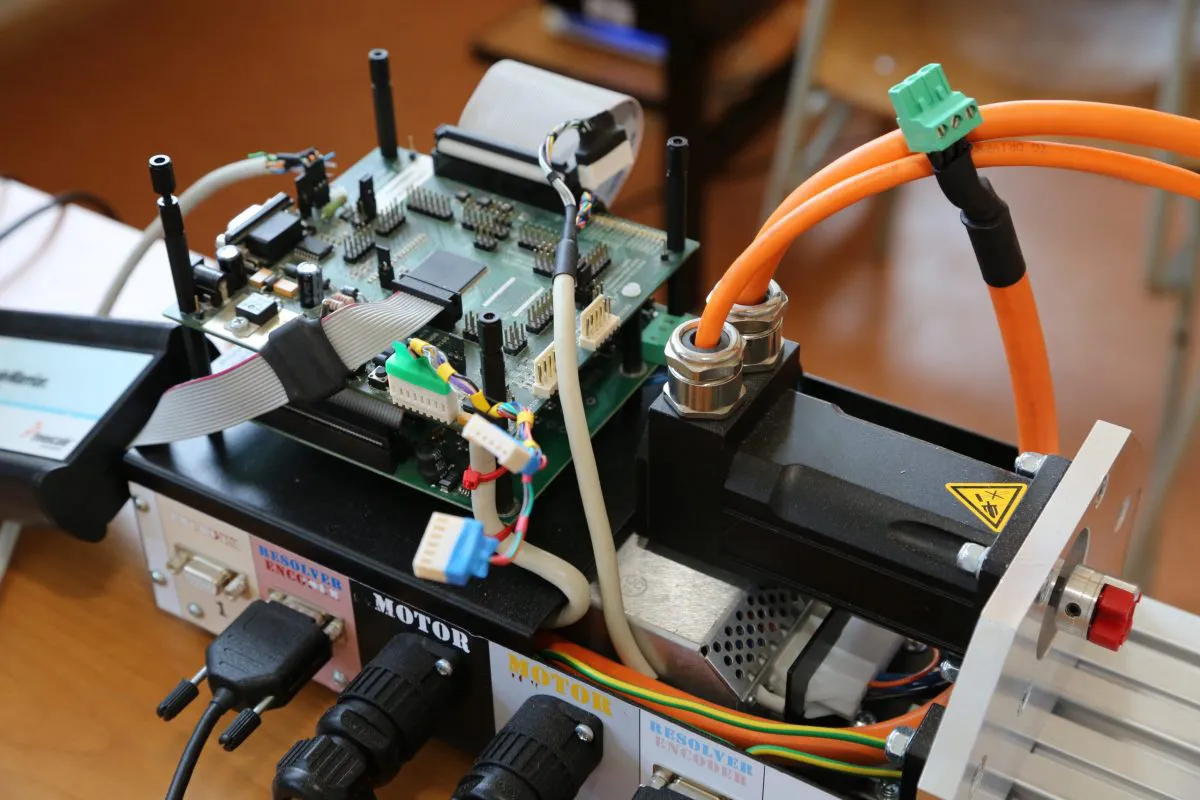
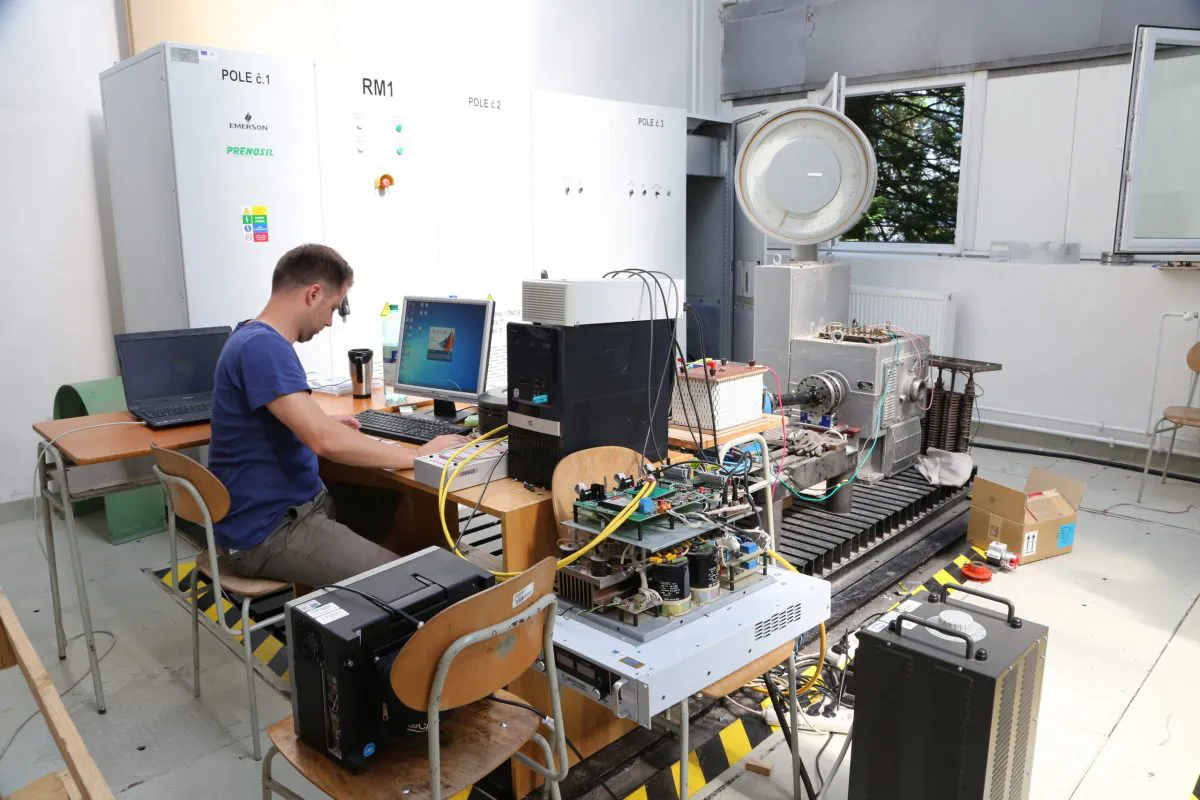
The Laboratory of Electrical Networks and Electrical Drives focuses on research and education in the areas of electric power systems, electrical machines, and drive technologies. The laboratory’s activities include analysis, modeling, and experimental testing of electrical networks, power electronic converters, and electric drives, with emphasis on efficiency, reliability, and control. Research is oriented toward modern applications such as intelligent power systems, industrial drives, and energy-efficient electromechanical systems, providing hands-on experimental support for student projects and advanced research.
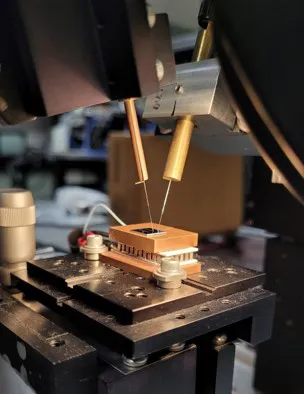
Our research focuses on connecting optical fibers with semiconductor photonic chips through compact, low-loss interfaces that let light move efficiently between networks and chip-scale devices. These technologies are key enablers of high-speed optical communications and emerging quantum systems, where performance depends on precise and stable light coupling. By bridging fibers and chips, we help transform advanced photonic research into practical, real-world technologies.
More information:
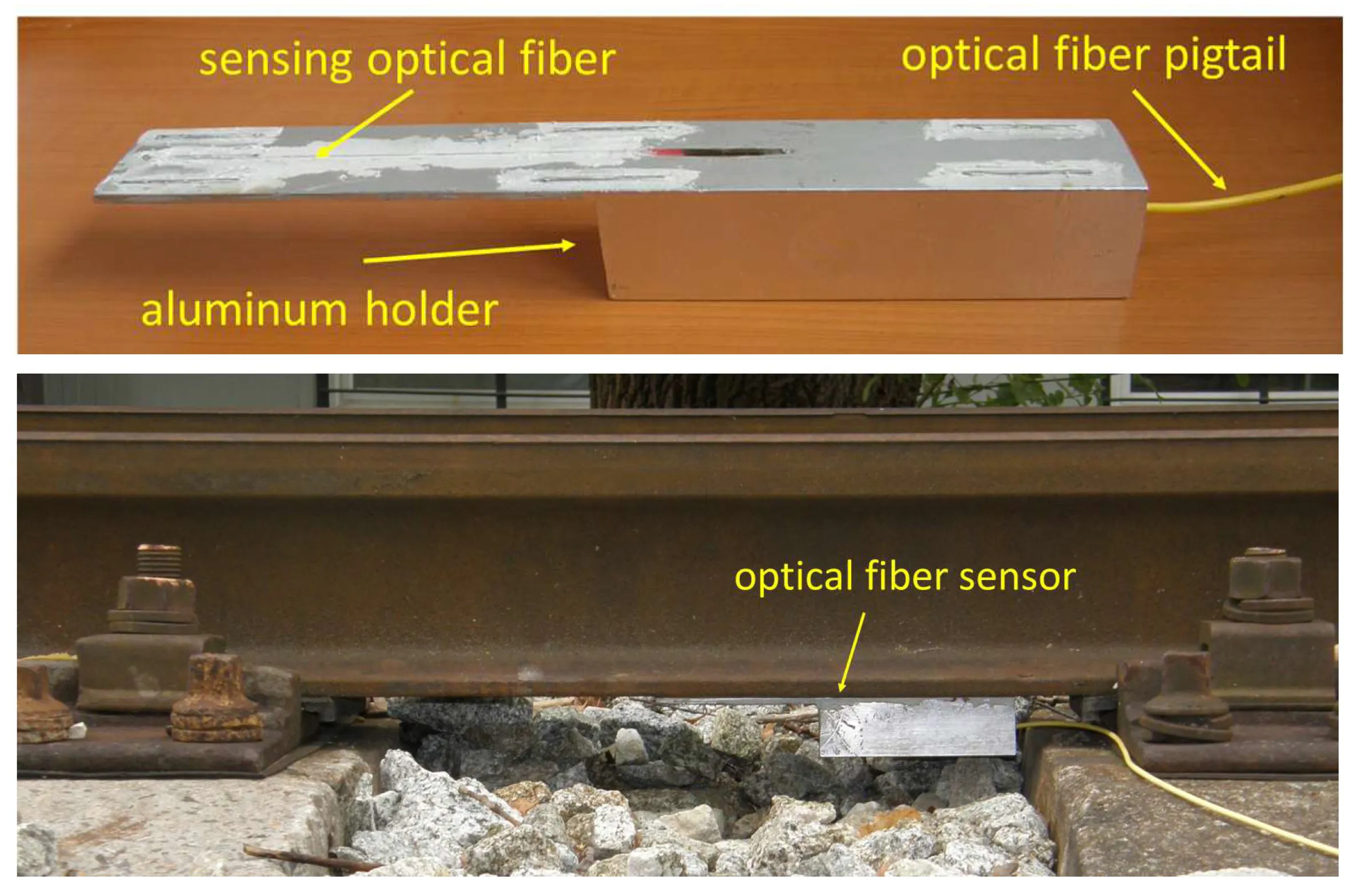
Our research demonstrates how optical innovations can support greener and smarter railway systems by enabling real-time monitoring of train weight using fiber-optic sensing technologies. By integrating a compact Fabry-Perot interferometric sensor directly onto the rail, we accurately measure how passing trains deform the track and convert this information into reliable weight data. This approach allows trains to be weighed while in motion, without interrupting operation, supporting more efficient logistics, reduced infrastructure wear, and improved safety. By combining advanced optical sensing with physics-based data evaluation, this work provides a practical, energy-efficient solution for intelligent rail monitoring - helping railways move toward more sustainable, data-driven operation."
More information:
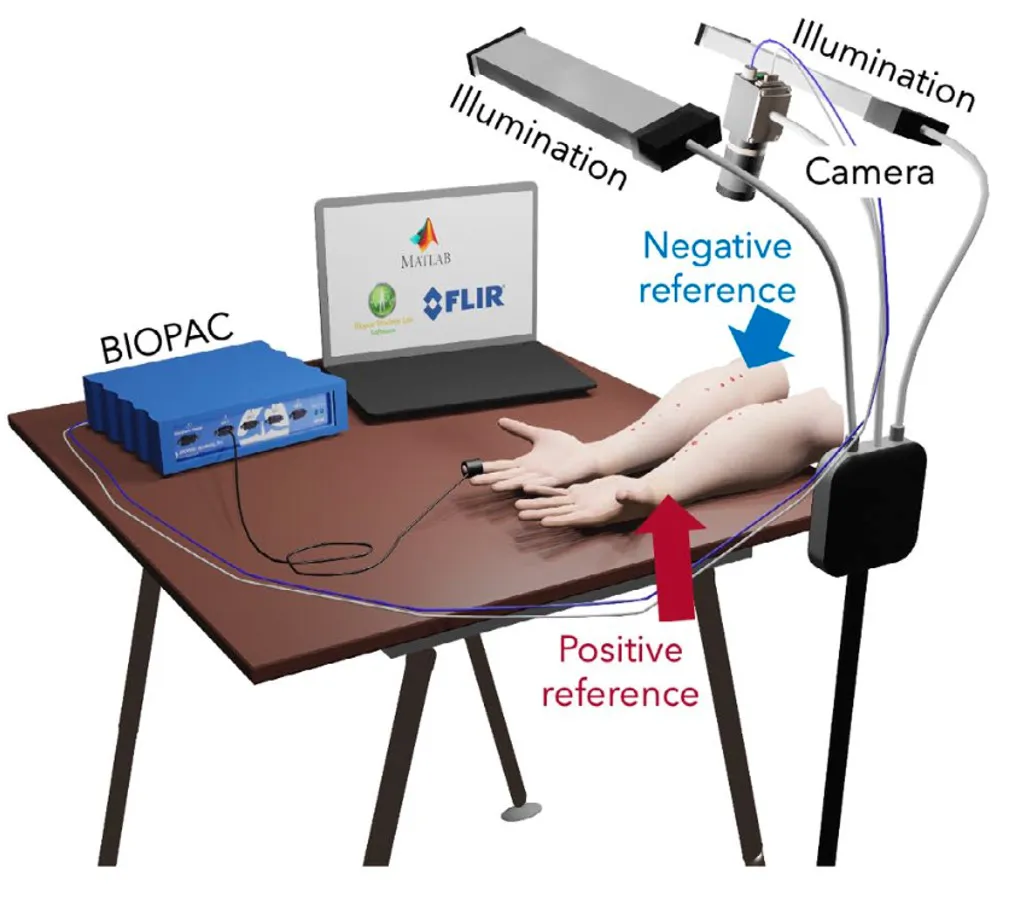
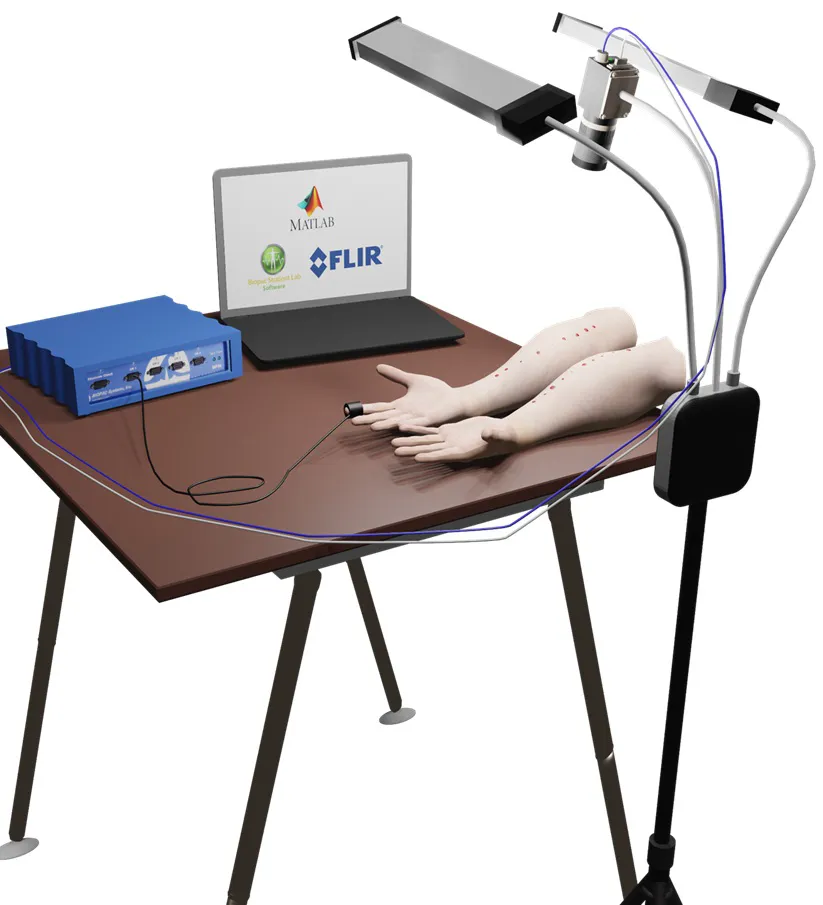
Our research applies photoplethysmography imaging (PPGI) to make allergy diagnostics faster, more objective, and more reliable. By quantifying vascular skin responses instead of relying on visual inspection, the method enables accurate discrimination between allergic and non-allergic reactions. Using the PINPN index, first results can be obtained as early as 5 minutes after testing, supporting rapid, spatially resolved, and reproducible allergy assessment. This approach opens the door to automated and more efficient diagnostic workflows in clinical practice."
More information:


